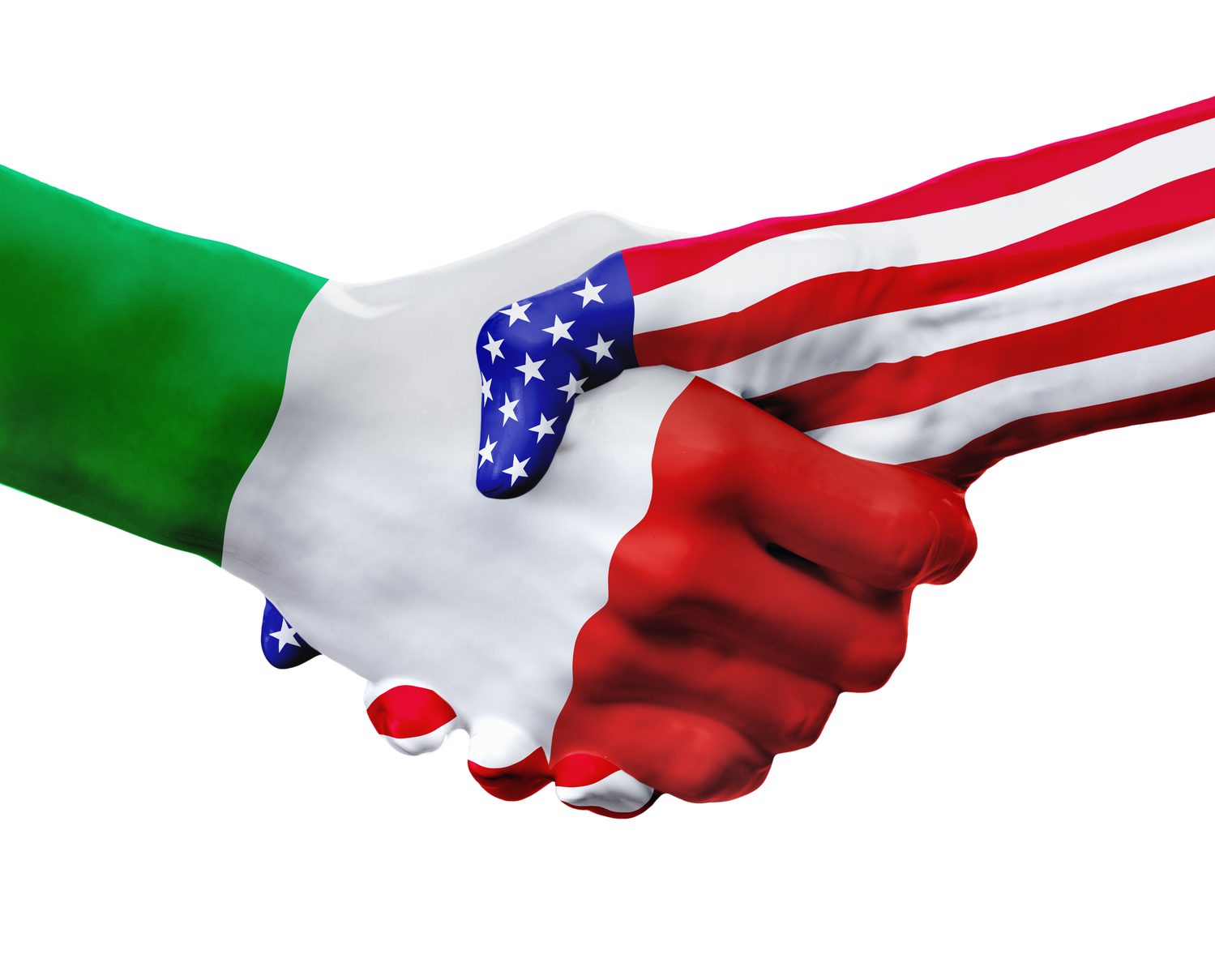

When starting a business, selecting the right legal structure is one of the most important decisions an entrepreneur must make. In both Italy and the United States, the Società a Responsabilità Limitata (SRL) and Limited Liability Company (LLC) are two of the most commonly chosen forms of business entities. While both offer the crucial benefit of limited liability, protecting owners’ personal assets from business debts and obligations, the specific features and regulatory frameworks governing these entities vary between the two countries. Understanding these similarities and differences is essential for business owners who wish to navigate both legal systems, whether for domestic operations or international ventures.
Similarities Between SRL and LLC
Limited Liability Protection
One of the most important reasons for choosing an SRL or LLC is the protection from personal liability. Both the Italian SRL and the U.S. LLC provide what is known as limited liability, meaning that the personal assets of the owners (members in LLCs and socios or quotisti in SRLs) are generally protected from the company’s debts or any legal actions against the business. This ensures that if the business faces financial difficulties, such as bankruptcy or lawsuits, the owners’ personal property, like homes, cars, and savings, typically cannot be seized to satisfy the company’s debts. This protection is fundamental for entrepreneurs who want to minimize the risk associated with starting a business.
In practice, the level of liability protection is similar between the two structures, though the specifics of legal proceedings and how liability is determined can vary by jurisdiction. For example, owners of both entities are generally only liable up to the amount they have invested in the business, but in both Italy and the U.S., this protection can be jeopardized if the business owners engage in fraudulent activities or fail to maintain the necessary legal formalities of the entity. In cases of fraud, misrepresentation, or illegal activities, courts in both countries may “pierce the corporate veil” and hold owners personally responsible for the business’s liabilities.
Flexible Ownership Structure
Both the SRL and LLC are known for offering a flexible ownership structure, which is a key feature that distinguishes them from more rigid entities like corporations. In both Italy and the U.S., an SRL or LLC can be formed by a single individual (a sole member) or by multiple partners or shareholders. There are generally no restrictions on the nationality or residence of the owners, meaning that an SRL or LLC can have international stakeholders, making these entities particularly attractive for global ventures.
The ownership in both types of entities is typically represented by shares or quotas, with the specific rights and responsibilities of the owners outlined in the company’s governing documents. In an SRL, these shares are generally referred to as “quotas,” and their transfer may be subject to restrictions as determined by the company’s governing documents. In an LLC, ownership is represented by membership interests, and these may also be subject to transfer restrictions, depending on the operating agreement. The flexibility in ownership allows businesses to adapt their structures as they grow, attracting investors or bringing in new members without extensive restructuring.
Ease of Operation
Another significant similarity is the operational simplicity of both entities. Compared to other business structures like corporations, both the SRL and LLC are designed to be less complex and easier to manage. The regulatory and compliance requirements for these entities are often simpler, which can save business owners both time and money in terms of administrative costs. For example, an LLC typically does not require a board of directors, shareholder meetings, or extensive record-keeping, which are common requirements for corporations.
Similarly, an SRL has fewer formalities than a joint-stock company (Società per Azioni or SPA) in Italy. While an SRL does require the creation of an official deed of incorporation and registration with the Business Register, the process is still simpler than that of an SPA, which is a more complex corporate structure. In both the U.S. and Italy, the SRL and LLC are favored by small to medium-sized businesses for their relatively low administrative burden and flexibility in terms of governance. These structures are ideal for entrepreneurs who want to focus on growing their business without being bogged down by cumbersome legal and regulatory requirements.
Tax Flexibility
Both the SRL and LLC can offer tax flexibility, depending on the jurisdiction and the specific election made by the business owners. In the U.S., an LLC is generally considered a “pass-through” entity, meaning that the LLC itself does not pay taxes at the corporate level. Instead, any profits or losses are passed through to the individual owners, who report them on their personal income tax returns. This avoids the issue of double taxation, which is common for corporations (C-corporations), where the company is taxed on its profits, and shareholders are then taxed again when dividends are paid out.
The Italian SRL also offers a similar system, although the specific tax treatment may vary. While an SRL is generally subject to corporate income tax (IRES), there is no double taxation unless profits are distributed to the shareholders as dividends. Additionally, the SRL may be eligible for certain tax benefits depending on its size and the type of business it operates. For example, simplified SRLs (known as SRL semplificata) can benefit from lower capital requirements and simplified tax reporting, making them an attractive option for small businesses. In both countries, the tax treatment of the SRL and LLC can be adjusted based on how the entities are structured and whether they elect to be taxed as corporations or other forms of entities.
Key Differences Between SRL and LLC
Formation and Legal Requirements
The process of forming an SRL in Italy is relatively formal and governed by Italian corporate law. Entrepreneurs must draft a deed of incorporation, which must be notarized, and register the SRL with the Italian Business Register. There are strict regulations regarding the formation of an SRL, and it must meet the minimum capital requirements specified by law. For example, a regular SRL requires a minimum capital of €10,000, although a simplified SRL can be formed with a capital of just €1. The capital must be deposited into a company bank account before the company can be officially registered.
In contrast, the formation of an LLC in the U.S. is more flexible and generally less expensive. The process typically involves filing articles of organization with the Secretary of State in the relevant jurisdiction and paying the required filing fees. The requirements for LLC formation can vary significantly from state to state, with some states offering low filing fees and minimal administrative requirements. Unlike Italy, the U.S. does not impose a national minimum capital requirement for LLCs, making it easier and less costly to establish a business. However, some states, such as Delaware, are known for their favorable LLC laws, attracting entrepreneurs from around the world.
Governance and Management
The governance structure of an SRL in Italy can vary based on the preferences of the owners. Typically, the SRL can be managed by a single director or a board of directors, and the governance rules must be outlined in the company’s articles of association. The articles can specify whether the directors must be shareholders and can set out various restrictions on their powers. The management structure of an SRL is more formalized compared to an LLC, and the directors are subject to more stringent regulations regarding their duties and responsibilities.
On the other hand, the governance of an LLC in the U.S. is highly flexible. LLCs can be managed either by the members themselves (member-managed) or by appointed managers (manager-managed). This flexibility allows LLCs to be tailored to the needs of the business owners, whether they want to maintain control or delegate management to external professionals. The specific management structure must be defined in the LLC’s operating agreement, which serves as the governing document for the LLC. This operating agreement is a key feature of the LLC, as it allows for customized governance, profit distribution, and decision-making processes.
Taxation
The taxation of SRLs in Italy is different from that of LLCs in the U.S. An SRL is subject to corporate taxation on its profits, which is generally higher than the individual income tax rate that applies to LLC members in the U.S. In general, Italy imposes a corporate income tax rate (IRES) of around 24% (with possible incentives of 20%), which can increase based on the size and type of business. In addition to corporate taxes, SRLs may also be subject to regional taxes, VAT, and other industry-specific taxes.
In contrast, LLCs in the U.S. benefit from pass-through taxation, meaning that the business itself does not pay income tax. Instead, profits or losses are passed through to the owners, who report them on their personal tax returns. This avoids double taxation and allows business owners to potentially reduce their overall tax burden. However, LLCs can choose to be taxed as corporations if it better suits their needs, particularly if they want to reinvest profits in the business or take advantage of corporate tax deductions.
Capital Requirements
The capital requirements for forming an SRL in Italy are more stringent than those of an LLC in the U.S. While a simplified SRL can be established with just €1 of capital, a regular SRL requires a minimum of €10,000 in capital, of which at least 25% must be paid up at the time of incorporation. This requirement ensures that the business has enough financial backing to operate, which can provide a sense of stability and credibility to investors and creditors.
In contrast, the U.S. does not impose a minimum capital requirement for LLCs. While individual states may have varying fees for setting up an LLC, there is no set amount of capital that must be contributed by the owners. This makes it easier for entrepreneurs in the U.S. to start a business without needing a significant upfront investment. However, some states do require LLCs to maintain a certain amount of capital to cover operating expenses, though this is not as rigid as the SRL’s capital requirements in Italy.
Legal Framework and Regulation
The legal frameworks governing SRLs and LLCs are significantly different due to the divergent legal systems in Italy and the U.S. In Italy, the SRL is governed by the Italian Civil Code and is subject to Italian business regulations. The legal requirements for running an SRL are detailed and structured to ensure compliance with both national and EU laws. For example, businesses operating in Italy must adhere to EU regulations regarding data protection (GDPR), environmental standards, and employee rights.
In contrast, LLCs in the U.S. are governed by state law, which means that each state has its own set of rules and regulations regarding the formation, operation, and taxation of LLCs. While this provides a high degree of flexibility, it also means that LLCs must comply with a patchwork of state-specific regulations. LLCs are also subject to federal laws, particularly those related to taxation and employment practices, but the overall legal framework is less centralized than that of the SRL in Italy. The varying state laws can create both opportunities and challenges for U.S.-based entrepreneurs, depending on the state in which they choose to form their LLC.
Conclusion: Italian SRL and U.S. LLC
While the Società a Responsabilità Limitata (SRL) and the U.S. Limited Liability Company (LLC) share several core similarities, such as limited liability protection, flexible ownership structures, and tax advantages, there are key differences that entrepreneurs must consider.
The SRL is a well-established and highly regulated entity in Italy with strict formation requirements and governance rules, while the LLC offers a more flexible and state-specific regulatory environment in the U.S. Entrepreneurs must weigh these differences carefully, taking into account factors such as the required capital, legal obligations, and tax treatment, before making their decision. On the other hand, both the SRL and LLC provide valuable tools for entrepreneurs looking to limit personal liability and establish a successful business.
If you need assistance with setting up an SRL in Italy or an LLC in New York, do not hesitate to contact the Mazzotta Law Firm. Our experienced team is here to guide you through the formation process, ensuring that your business is set up in full compliance with local laws and regulations.